
Water Softeners
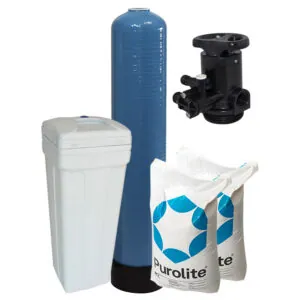
Manual Water Softener 600-1500 LPH 1054
Manual Water Softener 1054 – 600‑1500 LPH The Manual Water Softener 1054 is engineered for commercial and industrial water systems requiring high‑flow…
PURITECH · WATER TREATMENT SOLUTIONS
Plan hard-water treatment with a water softener selected for your measured hardness and water consumption. Puritech’s range includes manual and automatic systems for different operating needs. Compare the control arrangement, stated duty and full supplied configuration—not only the vessel size or headline price.
A softener addresses hardness; it is not a universal water purifier. Tell our team about your water source, the intended use and any other issues shown by the analysis so that softening can be considered as part of the right treatment plan.
+263 772947395 / +263 772 101 522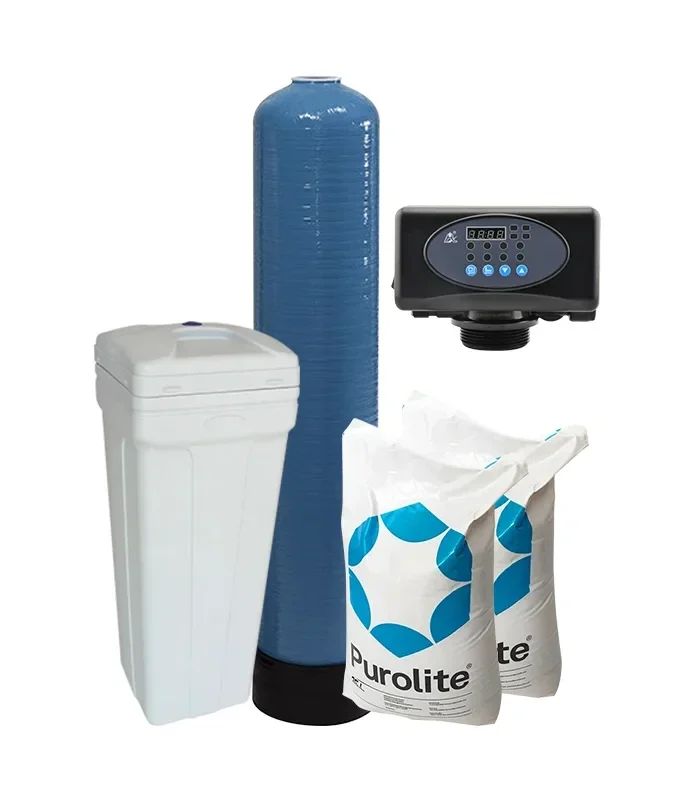
Water Softeners
Manual Water Softener 1054 – 600‑1500 LPH The Manual Water Softener 1054 is engineered for commercial and industrial water systems requiring high‑flow…
Water Softeners
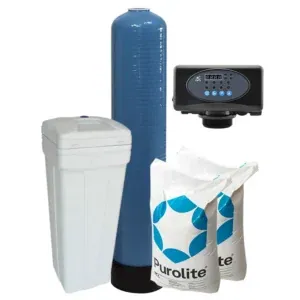
Automatic Water Softener 1054 – 600‑1500 LPH The Automatic Water Softener 1054 is built for commercial and light‑industrial water systems that demand reliable…
Water Softeners
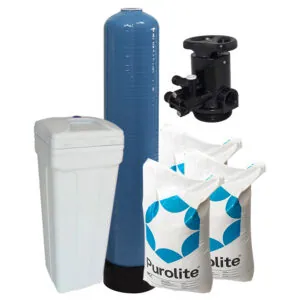
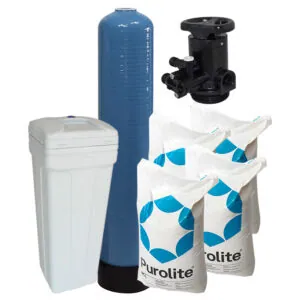
Manual Water Softener 1354 – 2000‑2500 LPH The Manual Water Softener 1354 is a high-capacity system designed for water systems that need effective scale…
Water Softeners
Manual Water Softener 2500-3200 LPH 1465 The 1465 Manual Water Softener is a dependable and efficient solution for treating hard water in both residential and…
Water Softeners
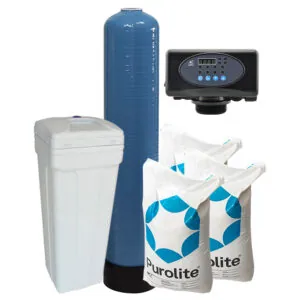
Automatic Water Softener 1354 The Automatic Water Softener 1354 is made for commercial and light-industrial systems that handle high volumes of water. With a…
Water Softeners
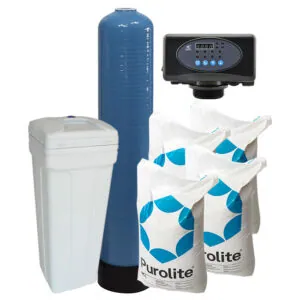
What This Softener Does The Automatic Water Softener 2500-3200 LPH 1465 is designed to treat high-flow water systems in commercial or industrial applications.…
MAKE AN INFORMED CHOICE
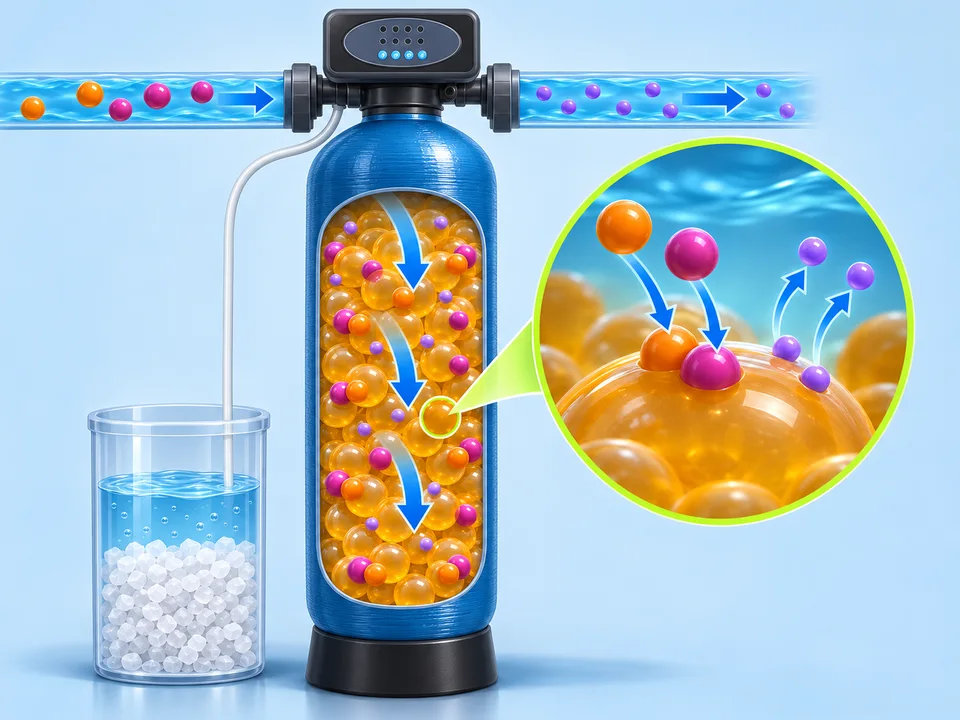
Conventional ion-exchange softeners use resin to exchange hardness-causing calcium and magnesium for other ions, commonly sodium. This changes the water’s hardness characteristics; it does not mean that the system removes all dissolved substances or makes an unknown supply suitable for drinking.
Softening may be considered where hardness creates operating or maintenance problems. The appropriate treatment depends on the application and water chemistry. Sediment, iron and other constituents can require separate assessment before a softener is specified.
Service flow and the amount of water that can be treated between regenerations are different considerations. Hardness, daily consumption, resin selection and loading, and the regeneration settings all contribute to the equipment plan. Ask what conditions apply to a listing’s advertised capacity.
Manual controls require operator involvement, while automatic controls manage the configured cycles. The practical choice depends on staffing, usage patterns and maintenance arrangements. Neither option eliminates the need to check salt levels, settings and the condition of the system.
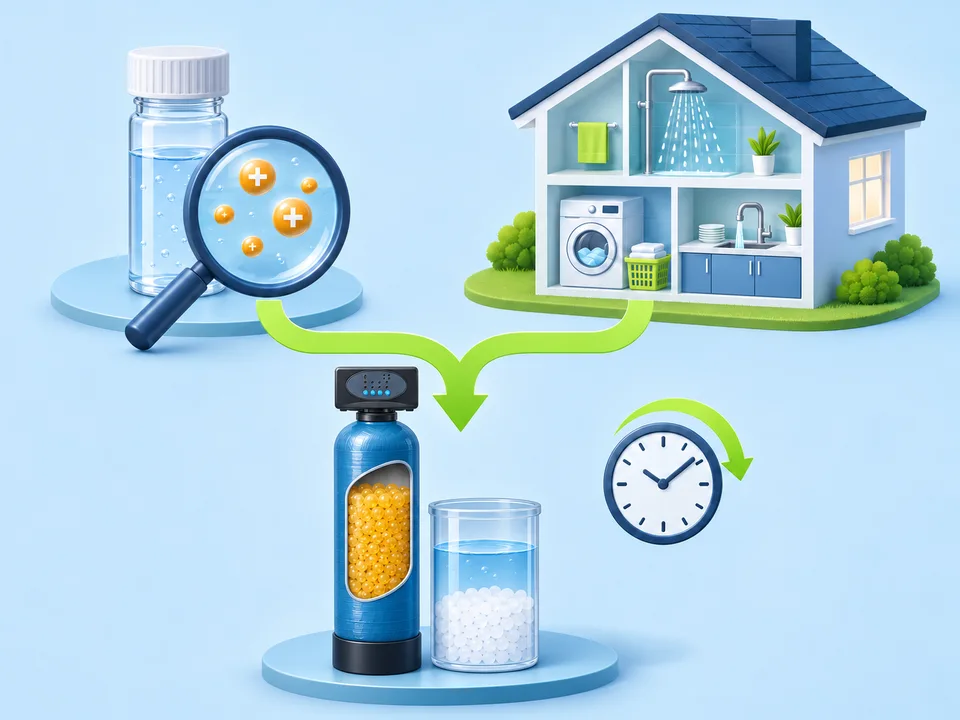
The site needs suitable plumbing, service access and the supplies required by the selected model. Confirm how regeneration will operate and how its discharge will be handled. Installation, commissioning and delivery should be itemised if they are not part of the quoted equipment price.
Follow the supplier’s instructions for salt, cleaning, inspection and servicing. If sodium in drinking water is a concern for your household or application, seek appropriate advice and discuss a separate drinking-water arrangement. Review the treated-water result against the actual purpose of the installation rather than relying on the appearance of the water.
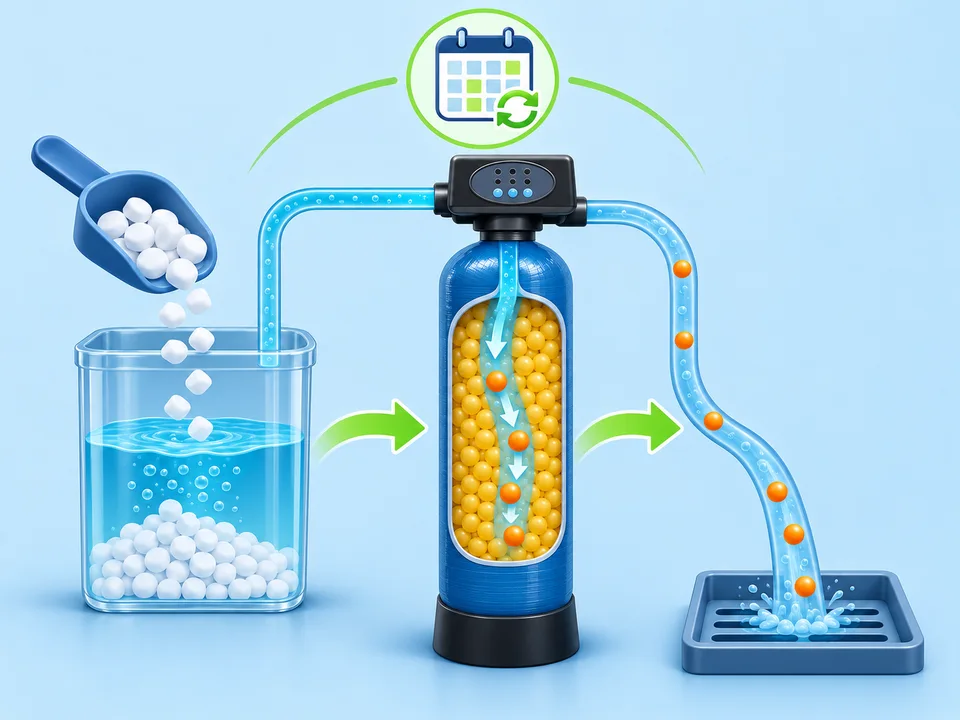
AI-generated process illustrations explain the concepts only; they are not engineering drawings or installation instructions.
No. A conventional softener addresses hardness through ion exchange; a sediment filter captures suspended particles according to its specification.
No disinfection claim should be assumed for a conventional softener. Borehole treatment must be selected from the analysis and the intended use.
Salt use depends on the model, hardness, water consumption and regeneration settings. Ask for an operating-cost estimate for your particular application.
Confirm prices, stock, specifications and inclusions for the selected system before ordering. Drinking-water suitability depends on the tested water, the complete treatment process and verification of its performance.